
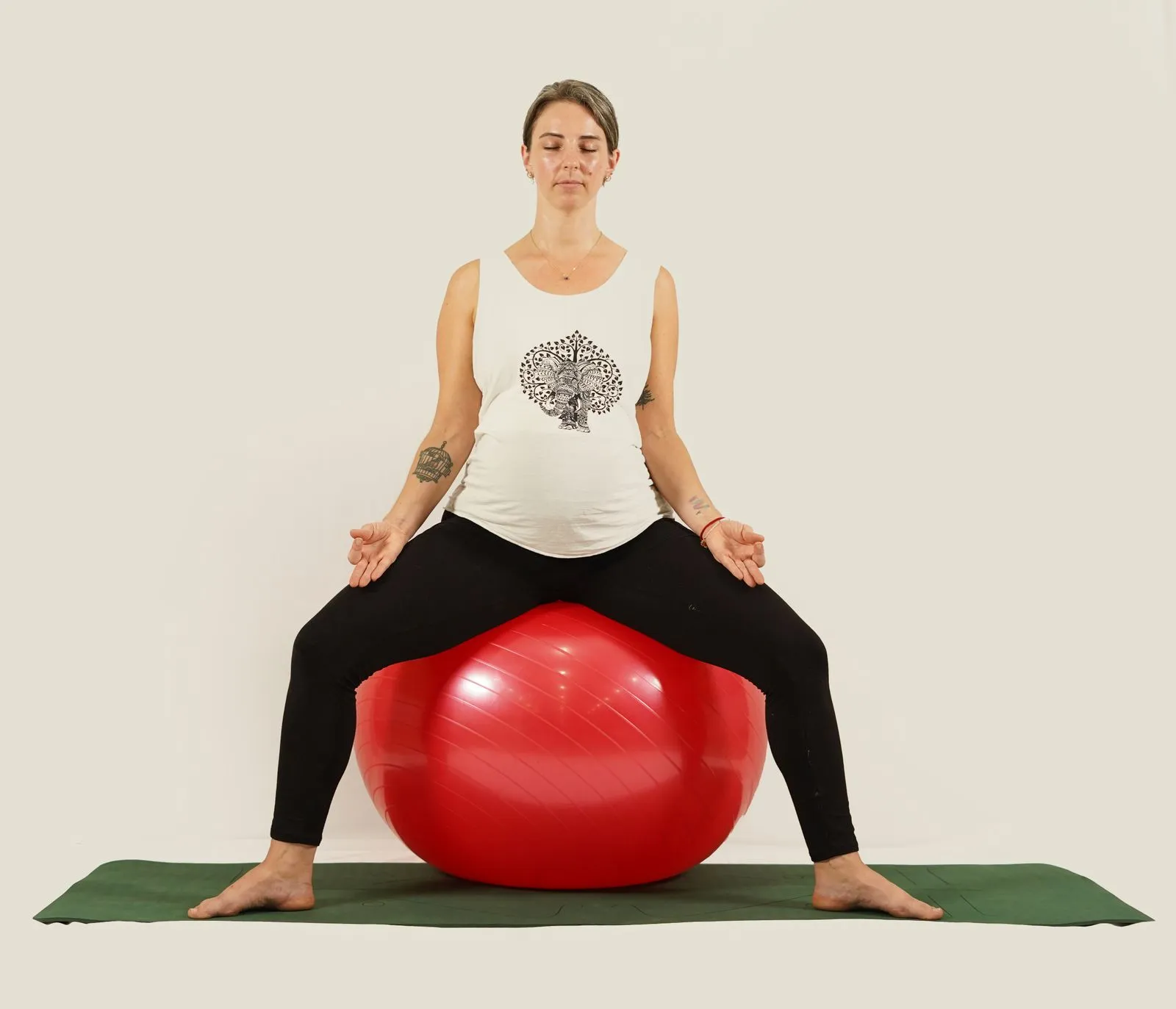
A prenatal barre class combines controlled, low-impact movements with support from a barre, chair, or wall. The pace is usually steady, with options to adjust range of motion, balance demands, or exercise position. Class plans vary by studio and instructor, but many follow a familiar pattern: warm-up, barre-based strength work, standing balance, and a gentle finish. Knowing what each part may involve can help you arrive with questions and choose movements that feel manageable for you.
How Class Usually Begins
Class often starts with a brief check-in and a gradual warm-up. Your instructor may ask how you are feeling and whether you have movement guidance from your prenatal care provider. Gentle shoulder rolls, ankle movements, breathing, and easy leg or hip motions can help you settle in before the more focused exercises begin.
Let the instructor know if you are new to barre, have pain or balance concerns, or need to avoid particular positions. You do not need to share more than you are comfortable sharing. Bring water, wear clothing that allows you to move, and use the barre or a stable chair for support when offered.
Common Barre Movements
At the barre, you may do small, controlled bends of the knees, heel raises, or leg lifts while holding the support lightly. These movements can work the legs and hips without jumping. An instructor may cue you to keep your range comfortable, distribute your weight evenly, and avoid locking your knees.
A class may also include standing arm exercises with light weights or no weights, along with gentle posture and upper-back work. Some studios add floor or mat exercises for the hips, glutes, or core. The exact choices vary, so ask before class whether the session includes time on the floor and whether alternatives are available.
Modifications and Support
A useful modification changes the movement to suit your comfort and balance that day. You might hold the barre with both hands, make a leg movement smaller, skip a balance challenge, or do an exercise seated instead of standing. Instructors can also offer options that reduce pressure on the abdomen or replace a position that does not feel right.
Speak up if you feel discomfort, dizziness, unusual shortness of breath, or unsteadiness; pause and tell the instructor rather than pushing through. Pregnancy needs differ, and an instructor cannot replace medical advice. Check with your prenatal care provider about whether barre is appropriate for you and what limits or warning signs apply to your situation.
The Closing Stretch
Many classes end with slower movements, easy stretching, and a few moments to notice how your body feels. Stretch only within a comfortable range, and avoid forcing a position to look like the instructor’s. You can stay near a wall or barre for support, or take a seated option if standing feels tiring.
Before leaving, take a moment to drink water and let the instructor know if a movement felt uncomfortable or if you would like a different option next time. A calm, adaptable class should make room for breaks and individual choices. At Alamo Prenatal Barre in San Antonio, you can ask about class format and available modifications before attending.
A prenatal barre class may include a warm-up, supported leg and arm work, balance options, and a gentle cool-down. Movements should be adjustable, and you can pause whenever you need to. Ask your prenatal care provider about exercise guidance, then contact a studio with questions about its class structure and modifications.